In today’s wellness-driven world, consumers are looking beyond calories and flavor—they’re looking at labels. The clean label movement represents a growing demand for transparency, simple ingredients, and natural formulations in food and beverages. According to Food Dive, clean label doesn’t have a single legal definition, but it broadly refers to products made with recognizable, minimally processed, and trustworthy ingredients.
The movement is reshaping how brands communicate trust. In beverages, that means drinks made with real, plant-based ingredients instead of synthetic colors, artificial sweeteners, or chemical preservatives. For modern consumers, “clean” isn’t just a trend—it’s a standard for wellness.
What Does “Clean Label” Really Mean in the Food and Beverage Industry?
How is “Clean Label” Defined?
There’s no official FDA definition, but clean label typically implies:
Transparent ingredient sourcing
Minimal additives
No artificial colors, flavors, or preservatives
Ethical and sustainable production
What Ingredients Are Excluded?
Common “no-go” additives in clean label drinks include:
Artificial sweeteners (like aspartame, sucralose)
Synthetic dyes and flavors
Preservatives such as sodium benzoate
Hydrogenated oils or emulsifiers
Is Clean Label the Same as Organic or Non-GMO?
Not exactly. Here’s a quick comparison:
Label Type
Definition
Focus Area
Example
Organic
Certified grown and processed without synthetic pesticides or fertilizers
Farming practices
USDA Organic-certified foods
Non-GMO
Free from genetically modified ingredients
Genetic modification
Verified Non-GMO products
Clean Label
Uses simple, familiar ingredients; transparently listed
Ingredient clarity
Graasi Wellness Water
Clean label often overlaps with these categories but focuses most on ingredient simplicity and honesty.
Why Are Consumers Demanding Clean Label Drinks?
Transparency is no longer optional—it’s expected. A Nielsen report found that 73% of U.S. consumers are willing to pay more for products that guarantee transparency and natural sourcing.
Health awareness, label literacy, and social media exposure have made people more conscious of what they consume. Today’s clean label drinkers include:
Women aged 22–55 balancing wellness with busy schedules
Families seeking cleaner hydration for kids
Athletes and professionals avoiding excess sugar or stimulants
The clean label movement is therefore both a health and a trust revolution—and hydration is its most essential expression.
What Are the Benefits of Choosing Clean Label Beverages?
Better Digestion and Gut Health: Minimally processed, plant-based drinks are easier on the gut and support microbiome balance.
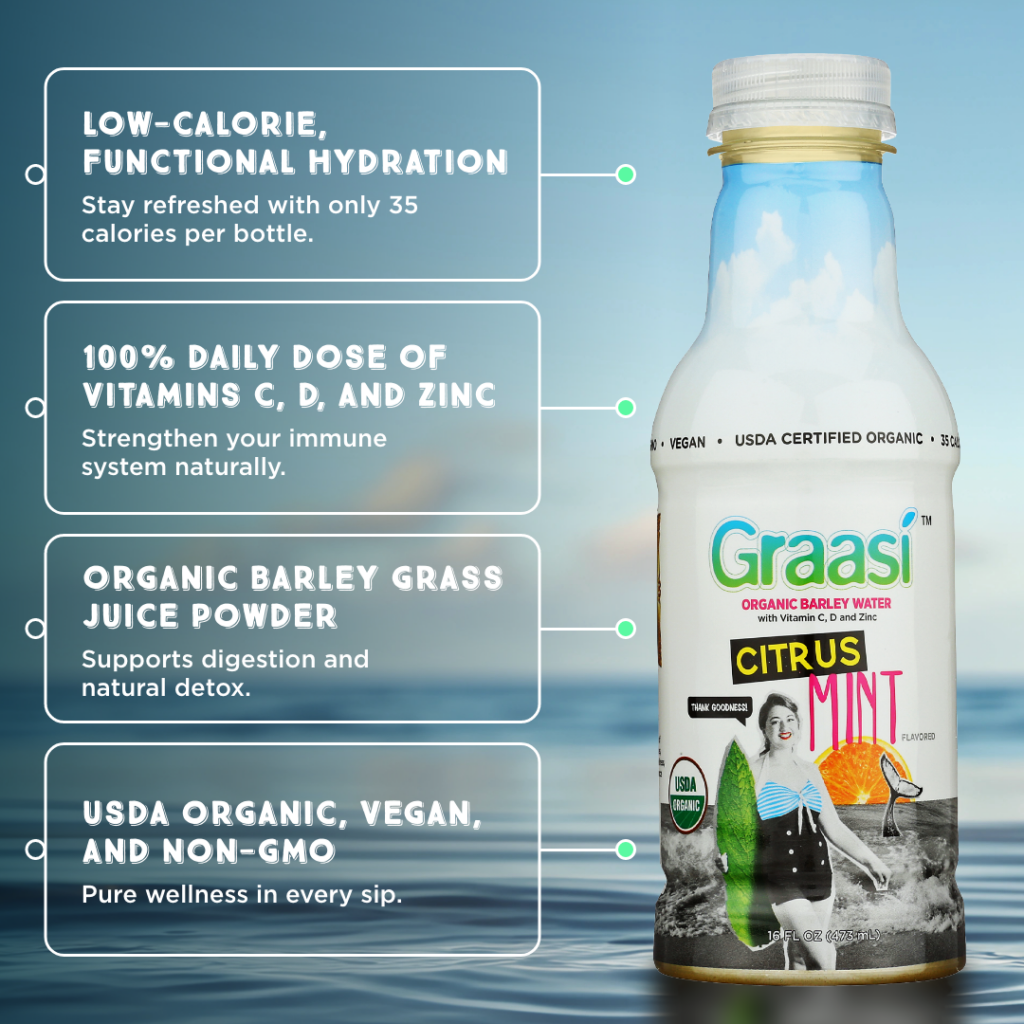
Immune and Detox Support: Drinks like Graasi Wellness Water use ingredients such as organic barley grass juice powder, vitamins C and D, and zinc—nutrients backed by the NIH for their immune-supporting roles.
Long-Term Trust: When ingredient lists are clear, consumers know exactly what they’re putting into their bodies—no hidden sugars or mystery chemicals.
Explore the clean-label ingredients that power every bottle of Graasi Wellness Water → Shop Graasi
Which Additives and Artificial Ingredients Should You Avoid?
Clean label beverages stay away from the following:
Artificial colors (linked to hyperactivity and sensitivities)
Synthetic preservatives (e.g., potassium sorbate)
Refined or high-fructose sugars
Artificial sweeteners (aspartame, sucralose)
Instead, Graasi keeps sweetness natural with organic cane sugar and monk fruit, both low-glycemic and diabetic-friendly
How Are Clean Label Beverage Brands Formulated Differently?
Clean label brands prioritize plant-based nutrition, sustainable processing, and transparency at every step.
Plant-powered ingredients: Barley grass, aloe, coconut water, and similar botanicals dominate formulations.
Functional yet natural: Clean label doesn’t mean “plain.” Functional drinks can include electrolytes, vitamins, and adaptogens—just from clean sources.
Manufacturing integrity: USDA Organic certification ensures traceable supply chains and non-toxic production.
Functional Ingredient
Benefit
Source
Vitamin C
Immune & collagen support
Citrus
Vitamin D
Bone & mood health
Plant D3
Zinc
Cellular protection
Natural minerals
Barley Grass Juice Powder
Detox & antioxidant power
Organic barley leaves
Why Is Graasi a Clean Label Beverage Brand to Know?
Graasi embodies the clean label philosophy in every bottle.
Certified USDA Organic
Non-GMO, Vegan, Gluten-Free
No dyes, no junk, no preservatives
Low sugar (~4g) and 35 calories per bottle
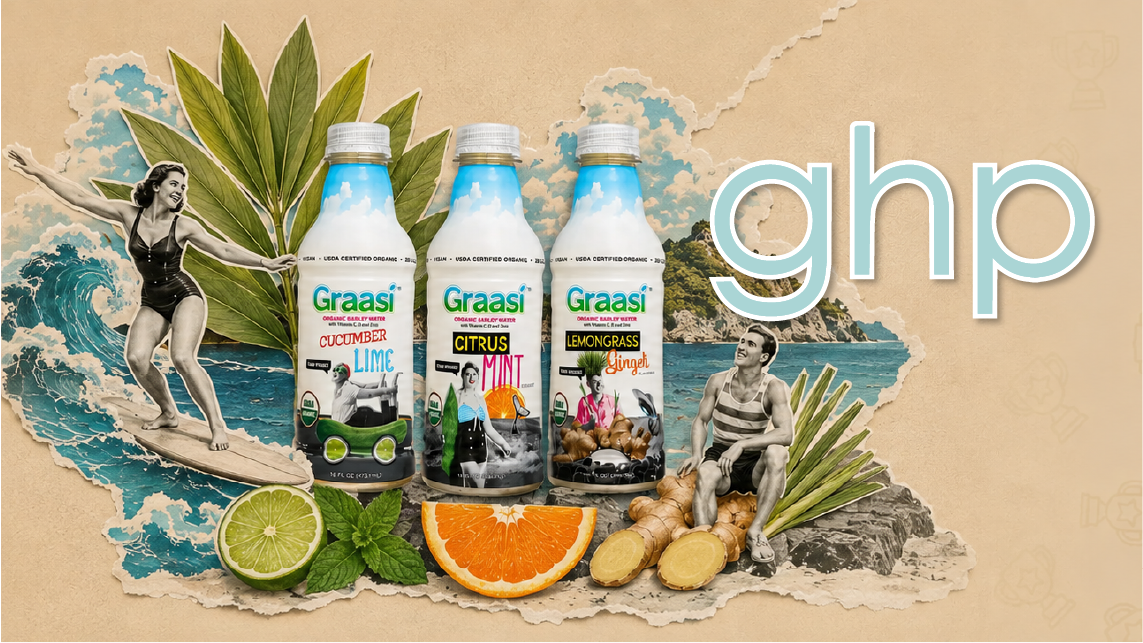
Each flavor—Citrus Mint, Cucumber Lime, and Lemongrass Ginger—is infused with organic barley grass juice powder and fortified vitamins for immunity and hydration. Manufactured in the U.S. by LaCorata Beverage LLC, Graasi is proudly small-batch and transparent in its sourcing.
Try a variety pack of our clean, crisp flavors → Graasi Shop
How Does Barley Grass Juice Powder Fit Into the Clean Label Trend?
Barley grass juice powder is often called a green superfood, prized for its nutrient density and gentle detoxifying properties. According to Healthline, it’s packed with chlorophyll, antioxidants, and vitamins A, C, and K—all supporting energy, skin health, and immune defense.
Graasi’s barley grass is organically grown and cold-processed to preserve its phytonutrient profile, maintaining its clean, pure essence without additives.
What Makes a Beverage Truly “Better For You”?
A clean label isn’t just a marketing badge—it’s a commitment to truthful nutrition. Many drinks still rely on misleading claims like “natural flavoring” or “zero sugar,” masking artificial components.
What to look for on a clean label:
✅ Short ingredient list
✅ Recognizable components (fruits, herbs, vitamins)
✅ No synthetic additives
✅ Transparent sourcing (organic or Non-GMO certified)
Graasi passes this checklist with ease—each bottle delivers hydration and immune support without a sugar crash, thanks to its balanced sweetness and nutrient infusion.
See how Graasi skips the sugar crash—35 calories per bottle, naturally sweetened to support your goals → Shop Clean Hydration
How Is the Clean Label Movement Evolving?
As Food Business News reports, clean label innovation continues to dominate beverage R&D. The next wave emphasizes:
Sustainable packaging (recyclable bottles, reduced carbon footprint)
Ethical sourcing (fair-trade and local supply chains)
Performance hydration (favored by athletes and MMA professionals who partner with Graasi)
Clean label beverages are no longer niche—they’re becoming the gold standard in wellness and sports nutrition alike.
Clean Label FAQs
Q: Is a shorter ingredient list always better?
Not always—but simpler, transparent ingredients are easier for the body to process.
Q: Can a functional drink still be clean label?
Yes! Graasi proves it’s possible to combine vitamins, minerals, and superfoods without synthetic fillers.
Q: Do clean label drinks taste “grassy” or bland?
Not if formulated correctly. Graasi’s light infusion of natural flavor extracts keeps each sip crisp and refreshing.
How to Switch to a Clean Label Hydration Routine
Swap sodas and sugary juices for clean wellness waters.
Drink Graasi first thing in the morning or after a workout.
Build consistency—hydration and nutrient balance come with daily practice.
Make gratitude your new hydration habit—Save with Graasi Wellness Water
🌿 In Summary
The clean label movement is transforming the beverage industry by promoting ingredient integrity, wellness, and trust. Brands like Graasi are leading this shift, offering hydration that’s functional, flavorful, and transparently crafted.
With organic barley grass juice powder, essential vitamins, and a clean conscience, Graasi invites you to drink with gratitude—for your body and the planet.
References:
Food Dive
Nielsen Transparency Report
Healthline: Barley Grass Benefits
Food Business News: Clean Label Products
NIH Office of Dietary Supplements