If you’ve ever stood in a grocery aisle comparing two similar-looking beverages—one labeled USDA Certified Organic and the other simply reading Natural—you’re not alone. Today’s wellness shoppers aren’t just reading labels; they’re questioning them. Organic certification has become one of the most powerful trust markers for that decision-making process.
For many consumers, especially those prioritizing health, performance, or clean living, the organic seal doesn’t just represent an ingredient standard—it represents peace of mind. It says: This brand isn’t just talking about clean wellness—it’s regulated, verified, and accountable for it.
What Does “Certified Organic” Actually Mean?
Organic certification isn’t just marketing—it’s a regulated standard. In the United States, certification is governed by the USDA National Organic Program (NOP), which outlines how ingredients must be grown, processed, and sourced.
You can explore the USDA organic rules directly here
How Is Organic Certification Regulated in the U.S.?
Under USDA guidelines, foods may fall under three regulated categories:
Label Term
Meaning
100% Organic
Made entirely from certified organic ingredients
Organic
At least 95% organic content, remaining ingredients must meet strict rules
Made With Organic Ingredients
At least 70% organic content
Only products in the top two categories can display the official USDA Certified Organic seal.
What’s the Difference Between Organic and Non-GMO?
Many consumers assume Non-GMO and Organic mean the same thing—but they’re not interchangeable.
Label
Does it prohibit pesticides?
Allows synthetic additives?
GMO-free?
USDA Organic
✔ Yes
✔ Strictly limited
✔ Yes
Non-GMO Project Verified
❌ No guarantee
✔ Allowed
✔ Yes
Natural
❌ No regulation
❌ May include additives
❌ No guarantee
Look for more details here.
Why Should Shoppers Care About Certification Seals?
A certification seal provides clarity in a crowded marketplace. It verifies that the product has passed audits, ingredient sourcing reviews, and compliance checks—not just marketing claims.
In short, the seal means trust.
Why Do Consumers Trust Organic-Certified Brands More?
What Do Studies Say About Consumer Perceptions of Organic Products?
Research shows people associate organic products with:
Health and wellness
Safety from chemical exposure
Better environmental practices
Higher nutritional value
Better ingredient sourcing ethics
A study published in the National Institutes of Health confirms that the word “organic” increases perceived safety, benefit, and trust.
How Does Certification Prevent Greenwashing?
In a market where words like clean, real, and natural are frequently used—and often unregulated—the organic seal creates accountability.
Organic certification prevents vague marketing language from replacing evidence.
Do Shoppers Look for Trust Signals When Buying Beverages?
Yes. Surveys (Food Insight Consumer Label Study) show:
64% of beverage shoppers scan labels
“Organic” is among the top 3 most trusted label claims
Women 22–55 and health-conscious families lead this trend
Click here for more insights.
How Does Organic Certification Relate to Ingredients and Clean Label Standards?
What Makes Organic Barley Grass More Trusted?
Barley grass grown organically—like the one in every bottle of Graasi Organic Wellness Water—means:
No synthetic pesticides
No toxic fertilizers
Soil-friendly farming
Cleaner nutrient retention
Barley grass is naturally rich in chlorophyll, amino acids, and antioxidants—making organic sourcing especially meaningful.
Why Does Organic Status Matter for Functional Beverages?
Functional beverages often include supplements, flavorings, or additives. Organic certification limits:
Artificial colors
Preservatives
Chemical sweeteners
Synthetic vitamins
So when a drink is certified, it signals quality that goes beyond taste.
Is It Enough for a Product to Say It’s “Healthy” Without Certification?
Terms like healthy, natural, and clean aren’t regulated. Certification creates a measurable standard.
See how Graasi defines clean ingredients here:
How Does Graasi’s Organic Certification Build Daily Trust With You?
What Sets Graasi Apart in the Functional Beverage Space?
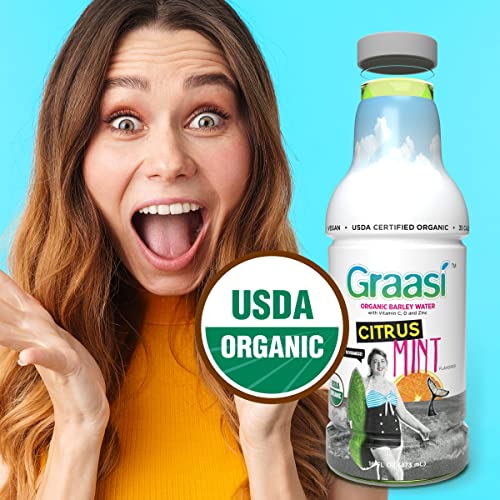
Every bottle of Graasi Wellness Water carries the USDA Certified Organic seal—meaning you get:
Organic barley grass juice powder
100% DV vitamin C, vitamin D, zinc
Low sugar (4g per bottle)
Low calories (~35 calories per bottle)
Vegan, gluten-free, USDA Organic, and diabetic-friendly formulation
Why hydrate normally when you can hydrate with benefits?
Why Is Being a Clean-Label, American-made brand Important?
Graasi is manufactured in the United States with small-batch values and transparent sourcing. No hidden supply chains. No confusing additives.
How Does Every Bottle Reflect Gratitude and Wellness?
The name Graasi (pronounced GRAH-SEE) nods to grass and gracias—a reminder to appreciate your body with every sip.
What Are Red Flags for Products That Lack Organic Certification?
How Can Lack of Certification Hide Questionable Ingredients?
Products without certification may contain:
Synthetic dyes
Chemical sweeteners
Artificial flavoring
Ingredients treated with pesticides
GMO agricultural inputs
What Should You Look for On Labels?
Use this quick beverage trust checklist:
✔ USDA Organic Seal
✔ Clear ingredient list
✔ Low sugar
✔ No artificial dyes or preservatives
✔ Non-GMO verification
Is “All-Natural” the Same as Organic?
No, and that misconception is one of the biggest reasons consumers are misled.
How Do Athletes and Health-Conscious Consumers Use Organic Certified Hydration?
Why Do Fighters, Trainers, and Coaches Prefer Clean Hydration?
Athletes demand purity because recovery, immune support, and overall wellness matter. Many athletes prefer to avoid synthetic ingredients for digestive comfort..
Where Does Graasi Fit Into Post-Workout Routines?
Graasi brings together:
Hydration
Immune nutrition (Vitamin C, D, Zinc)
Detox-supporting barley grass
Low-sugar replenishment
A practical benefit-stack for active lifestyles.
How Can You Integrate Graasi Into Your Day?
Ways Graasi lovers enjoy their wellness water:
Morning immunity ritual
Post-gym recovery
Mid-afternoon refresh
Daily hydration habit
Travel or cold-season support
Explore purchase options here
Why Organic Is the Starting Point of Trust—Not the End
How Do Organic Brands Go Beyond the Label?
Trustworthy brands continue proving commitment through:
Sustainable sourcing
Transparent communication
Ethical manufacturing
Nutrient integrity
How Is Graasi Cultivating Trust?
By blending:
Clean ingredients
Rigorous certification
Purpose-driven hydration
A wellness mindset
Why Should Consumers Expect More From What They Drink?
Because wellness isn’t a trend—it’s a long-term investment.
Final Thoughts
Organic certification matters because it gives consumers confidence in a world where labels can be confusing. It represents transparency, quality, safety, and integrity—all values that define what modern wellness purchasing looks like.
Graasi embodies that commitment—bottling certified organic ingredients, functional hydration, and gratitude into every sip.
FAQs
1. Why does organic certification matter to consumers?
Organic certification assures consumers that products meet strict standards for farming, processing, and labeling, reducing exposure to synthetic pesticides, GMOs, and artificial additives.
2. How does organic certification build consumer trust?
Certification provides third-party verification, transparency, and traceability—helping consumers trust that “organic” claims are credible and regulated.
3. Do consumers really trust organic labels?
Yes. Studies show consumers associate organic labels with health, safety, sustainability, and ethical sourcing, making them more likely to choose certified products.
4. What are the benefits of organic certification for brands?
Certified brands gain credibility, premium positioning, customer loyalty, and easier market access, especially in health-conscious and eco-focused markets.
5. Is organic certification the same worldwide?
No. Standards vary by region (USDA Organic, EU Organic, India Organic), but all require compliance audits and documented processes.
6. Can brands claim organic without certification?
Uncertified “organic” claims risk consumer distrust and regulatory penalties. Certification protects both brands and buyers.